
- Details
- Written by: Martin Pramatarov
- Hits: 2197
We have wandered many times without a trip goal, and still, it is quite a lot of fun. But adding a goal for your trip can really enhance your travel experience in many ways. It is a true motivator, providing you with a sense of purpose and a compass. The trip goal helps you better organize your time and resources.
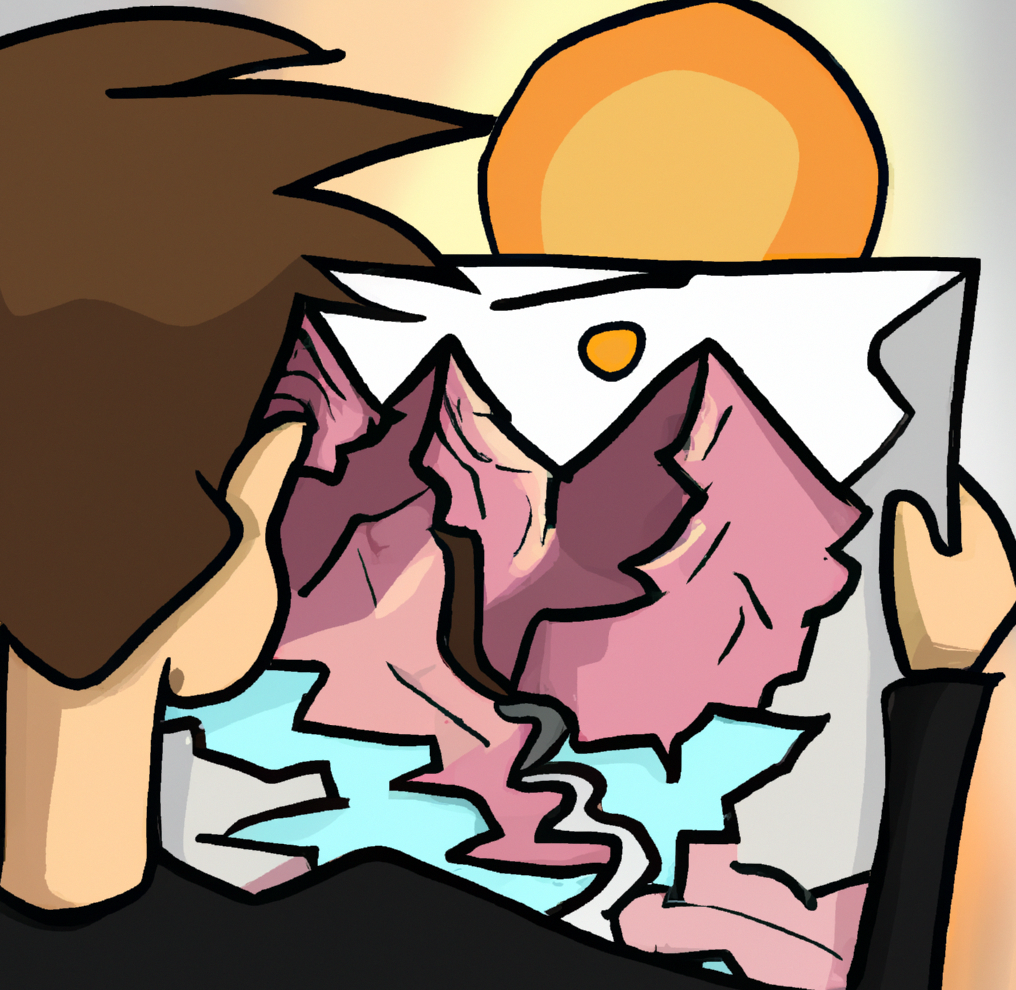
How, having a trip goal makes the journey better?
The trip goal can determine the destination. If you would like to swim in the Death Sea, then you have only 2 countries to choose from. Do you want to see the North Light? Then you need to visit a North country like Finland, Sweden, Norway, Canada, or Russia.
The world is full of countries, and often it is hard to choose which should be next. The goal narrows down your choices making it a lot easier to choose.
Then the destination will determine the attractions and activities on the way
Our current adventure has the goal to meet a dear friend in Budapest, Hungary. We started from Bulgaria, and we needed to create a route to Budapest. That made us travel across North Bulgaria, then Romania, and finally Hungary to reach its capital. That allowed us to climb different mountains, and see many waterfalls, caves, and little towns in the 3 countries on the way. If we didn’t have this final destination, we would probably go to different attractions.
It gives you something to achieve
A journey with a final goal gives you something to work towards. The further and harder it is to get it, the more satisfied you will be, when you finally achieve it.
This time, our trip included more than 1000 kilometers, that we drove. Although I have had my driving license since I was 18, I don’t like driving long distances. It was a big challenge for me.
And also, sleeping in hotels, for the first time, since the COVID pandemic started.
It might be something small for some of you, but huge for us, to meet friends for the first time since the pandemic. We lived isolated for 2 years, without almost any live contact and it definitively affected us.
In the end, after you finally reached the goal, the feeling of accomplishment is amazing! You feel like you are on top of the world and you can do everything. You can return home charged and ready to start new adventures.
The trip goal keeps you focused
At the beginning of the trip, we were so happy to be out that we wanted to see and go everywhere. Even though there is a pandemic outside, the world is beautiful, and with the right care, you can still explore it relatively safely. We decided to extend our stay in multiple places. Dryanovo, Lovech, and Belogradchik are great examples of that. We stayed there for a lot longer than we originally thought. But having in mind the limited time (2 months of a holiday) and the desire to meet our friend, we were continuing our journey towards the north. If we were without a goal, we could easily spend the whole holiday in Stara Planina mountain and be happy there. But, didn’t stray for too long and we eventually arrived in Budapest.
A travel goal can help you budget the trip
If you know what you want from your travel experience then you can easily budget for the whole trip. If your end goal is to enjoy a hot air balloon in Belogradchik, Bulgaria, then you will need tickets to get there, around 200 euros for the attraction and 200-300 euros more for accommodation, food, and other entertainment for a few days. It makes it far easier to know when you can afford your trip and makes you far more secure during your trip. You can check in advance most of the expenses, and be prepared.
| Follow PackAndGo.info at: | |
| YouTube | @packandgo. |
| @packandgo.info | |
| X | @packandgoinfo |
| Bluesky | @packandgo.bsky.social |
| @packandgo.info | |
| TikTok | @packandgo.info |
A goal can give your trip a sense of purpose and meaning
Sometimes you have the money, you have the time but you don’t know what to do. It could be a trip to find yourself. To explore a different aspect of your personality, passions, interests, or even sexuality. You can set a goal, far more spiritual than just reaching a certain destination. You can have the trip of your lifetime.
Which was the goal of our last trip?
The goal of our latest trip was to meet a good friend again and beat our COVID fears.
When we met, G and I were extremely outgoing, having plenty of friends and always ready to go out and meet new people. During our initial trips together, we made at least 100 friends from all around Europe.
But with time and all the work, we have slowly become distant from social life. We love each other company and that led to far fewer new friends. The absolute bottom point was the pandemic. It came and made us stay at home, and evade any social contact in person.
That was surprisingly easy. We were antisocial already. But with time, we started to miss some of our old friends. There are people in our lives that we associate with many happy memories. With other times. With careless life and lots of fun.
Such a person is our friend from Hungary. We won’t share his name, to protect our and his personal life. We met that guy a long time ago when we casually pass through his city hitchhiking. He got such a good vibe that we stay in touch and create a very nice friendship. Later he even visited us in Mexico. It's been almost a decade of friendship!
And visiting him, was a great way to break out of our COVID chains and see, why even if we don't need to see people, it is really nice.
2020 was spent without any trips. 2021 was the same. We were, and up to a point, we are still afraid of the Corona virus. Staying safe for so long, showed us that no contact means being healthy. And thanks to the fact that we are both freelancers, the work was not a problem. Also, not going out that much, helps you save a lot.
What was pushing us to go out were two things. The old friends that we were missing, and the deep desire to travel the world. Both were on hold for too long.
Finally, in the spring of 2022, we got brave enough and started our new long journey. From Varna, Bulgaria all the way up to Budapest, Hungary by car! Crossing 3 countries, and visiting more than 20 destinations on the way.
Have we had other trips with goals in the past?
There are 4 big trips, that we shared, which were very goal-orientated. Very different, one from another.
Our trip to Israel, in which G surprised me and took me outside of Europe for the first time. The crazy thing was that I didn't know the destination until we got to the airport. And even during the first few seconds, after an employee gave me the tickets and told me "Have a safe flight to Tel Aviv", I remained clueless.
Hitchhike from Bulgaria to Finland to see the North Light. The summer when I finished the university, I and G wanted to go out and travel. But to make it more fun, we decided it should be a hitchhiking and CouchSurfing trip. After such a hard journey, seeing the North Light really made us cry.
From Mexico City to Vallarta by car, to have a Christmas on the beach. It was the vacation season, but because of our schedules, we couldn't plan in advance. We needed to improvise, but we knew we wanted to celebrate Christmas on the beach. So we search for a beach, that we haven't been to before together and we drove all the way there.
Cross Mexico from the Atlantic Ocean to the Pacific Ocean to see which one is better. Cancun and the Caribbean are stunning, but the Sargassum and its smell were getting annoying. So we check every beach on the Riviera Maya to see the best places, and then we cross the country to compare them to the beaches in Oaxaca. On the way, we made new friends, saved some turtles, and cleaned a massive river.
Someday, we will share more about them. And the multiple small trips, we have done on our own. There is a lot to write about, and so little free time.
Conclusion
Yes, having a goal for your trip really makes it richer. The sense of purpose drives you and the final emotion of reaching the main objective truly stays with you forever.
However, it's important to keep in mind that a trip does not have to have a specific goal to be enjoyable and meaningful. Ultimately, the most important thing is to have fun and make the most of your travel opportunities, regardless of whether or not you have a specific goal in mind.
Enjoy the journey itself, the company of the people you are traveling with, yourself, all the nice emotions, and new experiences. Have fun!
Check the start of our last long trip: "The best waterfalls near Veliko Tarnovo (Bulgaria) you must visit!".
| Follow PackAndGo.info at: | |
| YouTube | @packandgo. |
| @packandgo.info | |
| X | @packandgoinfo |
| Bluesky | @packandgo.bsky.social |
| @packandgo.info | |
| TikTok | @packandgo.info |
- Details
- Written by: Gianna Esquivel
- Hits: 2157
Guys, leaving home to go on holiday is exciting! We love to travel but we had to stop due to the pandemic. We have been missing it a lot, but finally, we will travel again!! And from the moment we took the decision (get to know packandgo.info here), we have been imagining ourselves in those great landscapes, having fun, trying exotic and delicious food, getting the best pictures…
But ok, we have to stop dreaming for planning everything! And planning involves not only the transportation, accommodation, and stuff we will need while traveling, but also everything we leave behind. So what to do before leaving home for a long holiday? Well, it does not matter if you own or rent a small apartment or a big house, you have to arrange everything not to be negatively surprised when you get back. Based on your location and how extreme is the weather in your place, you will have fewer or more worries.
We know this is not a fun part of planning a trip, but we have to do it. We enjoy a lot the time in our village house so we want to keep it safe and ready to “hug” us when we get back. We mostly travel during the Spring and Summer, so usually when we get back, we find the grass very high, lots of bugs around, dust, so a lot of work! But ok, the house itself is fine to live in again. And that’s exactly the goal! Imagine the opposite scenario, arriving after having wonderful holidays to find out your place was flooded during your absence, that it became the home and toilet for 25 cats due to a forgotten open window or something worse.
That can kill your nice holiday mood instantly. There’s no need to risk it! Better take time for leaving your home safe and then enjoy your holidays as hell!
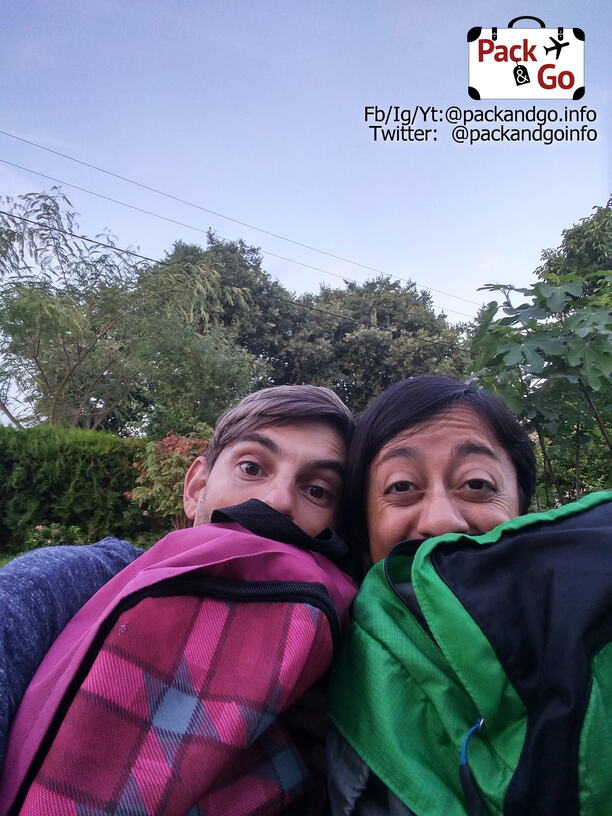
1. Analyze your home's needs.
- Do you live in an apartment or house?
- Do you live in a busy or remote area?
- Is it safe where you live or house thieves are active around?
- In which season will you leave the house? Is the rainy season coming? Is it Winter?
- What are the risks around? Is there a close river? Are tornados common?
- Are there services you can cancel during your absence? Do you need an essential service to keep working?
- Are the services’ bills up to date? Can you pay them in advance? Or can you pay them online while traveling?
- Do you leave pets, plants, or flowers to take care of?
- Where do you leave your car? Do you have a safe (closed) garage? Do you need paid parking? Is it ok leaving in it on the street?
- Are you leaving pets or plants? Who can take care of them?
- Is there a problem to fix with windows, doors, or locks? Fixing issues is a priority!
Make a list so you won’t miss anything. And make this list 2 weeks or a month in advance but not at the last minute. The excitement of leaving home for going on holiday can easily blur your sight and make you ignore important issues. Besides, you won’t have time enough to fix or arrange anything.
2. Get the refrigerator empty and clean.
For us, to have always food in the refrigerator is a duty we are very committed to. We love food and we enjoy cooking! But leaving home for a long holiday suddenly requires doing the opposite in a limited time. And sometimes is not so easy to eat everything on time to leave. We have tried to give it away but it does not work as easily as you could expect. People are very attached to their personal preferences and taste. That’s why, once we have a date for leaving (exact or approximate), we organize our menu to use what we have and we don’t buy more (perishables).
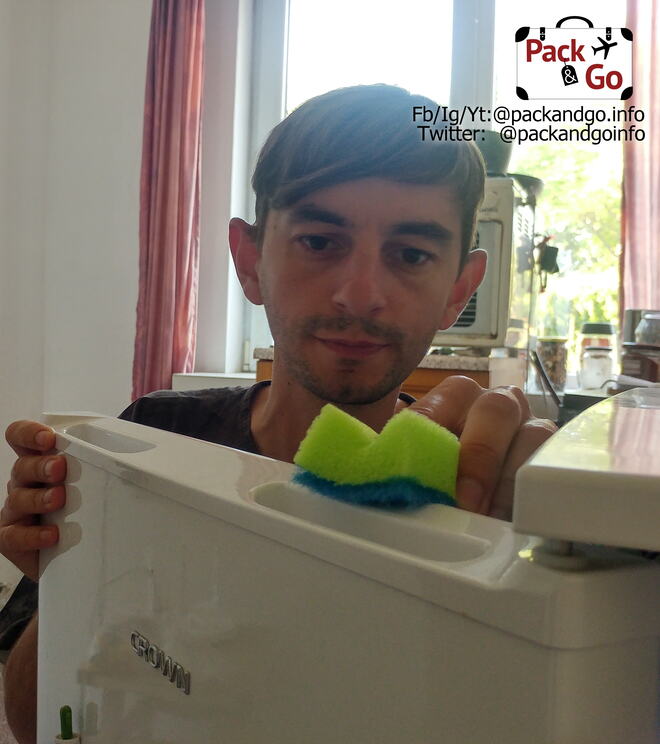
Once empty, clean it out! The smallest spillover of milk or meat juice, a tiny piece of vegetable or dairy, can be attractive to bacteria. In a very short time, they can reproduce making your refrigerator a disgusting, smelly, and not healthy (for you) space. To find out this after your holidays is not the best welcome. You will require a bigger effort to clean that smelly mess. Better do it before leaving!
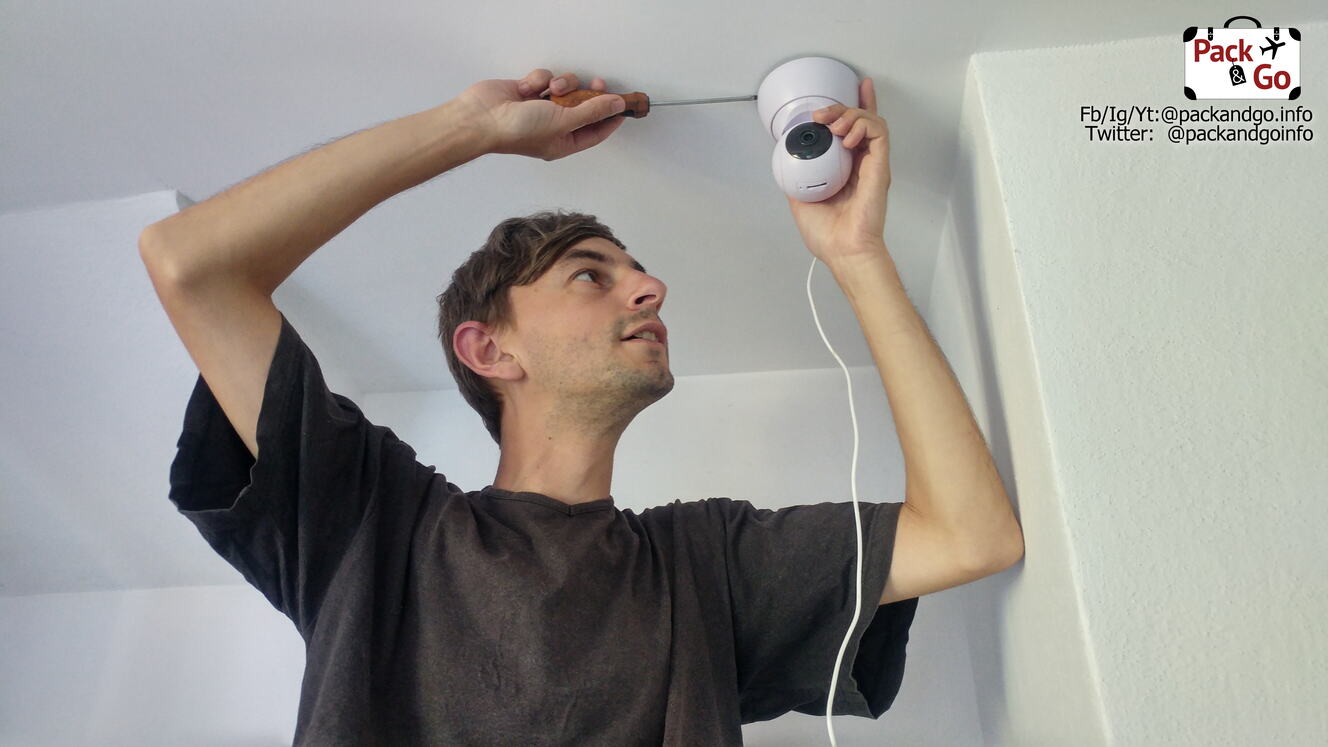
3. Install an IP camera or more.
Nowadays, getting such cameras is not difficult, there are choices for different budgets and you can install them and watch them through your Smartphone. You only need the Internet to access the image. Depending on the software, you could be able to take pictures and record video from the stream. No matter if you are far away, you could take an eye to your home!
4. Check plumbing and taps.
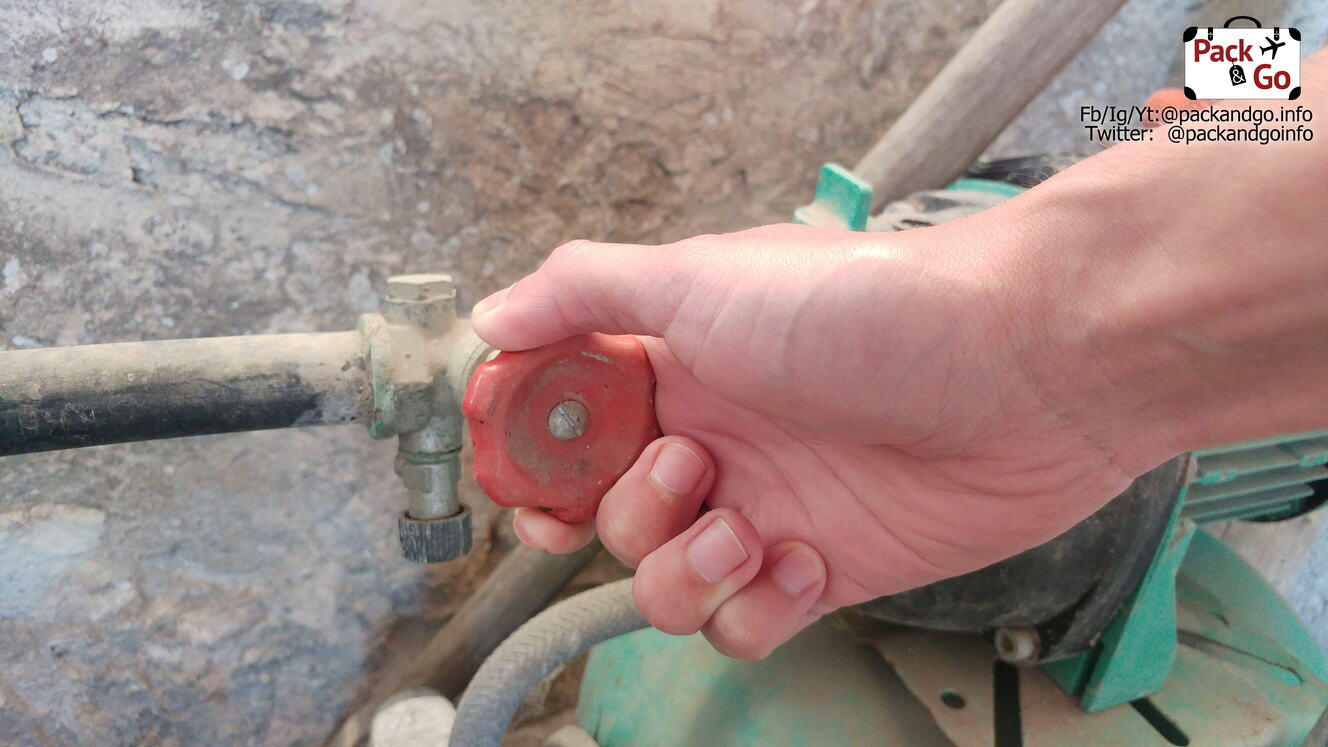
Here you have to check your specific needs. For us is simple, we just close the main tap not to have running water around the house. Now, we don’t have leaks or plumbing issues, due to the regular maintenance we practice. But in any case and aware that shit happens, we stop the water and that’s it. You can also close individual water valves to be sure (washing machine, sink, toilet, etc.).
5. Prevent fire hazards.
If your water heater and stove run on gas, be sure to close the stopcock. Even if you are sure there’s no leak or problem at all, it’s safer to close it.
Unplug your electronics while you are away. You will kill two birds with one shot. First of all, you will prevent an electrical fire. And second, you could get a reduction in your energy bill. It depends on the number and type of electronics you have at home. Yes, some appliances don’t consume a lot of electricity so if you think you will save only cents, still preventing a fire is a good reason to unplug them. Unplug chargers, vacuum cleaners, computers, routers, televisions, consoles (gaming), electric razors, printers, coffee machines, irons, washing machines, tools (drills, electric saw, air compressor, welding machine, etc.), kitchen appliances, refrigerator, dishwasher, fans, air conditioner, etc.
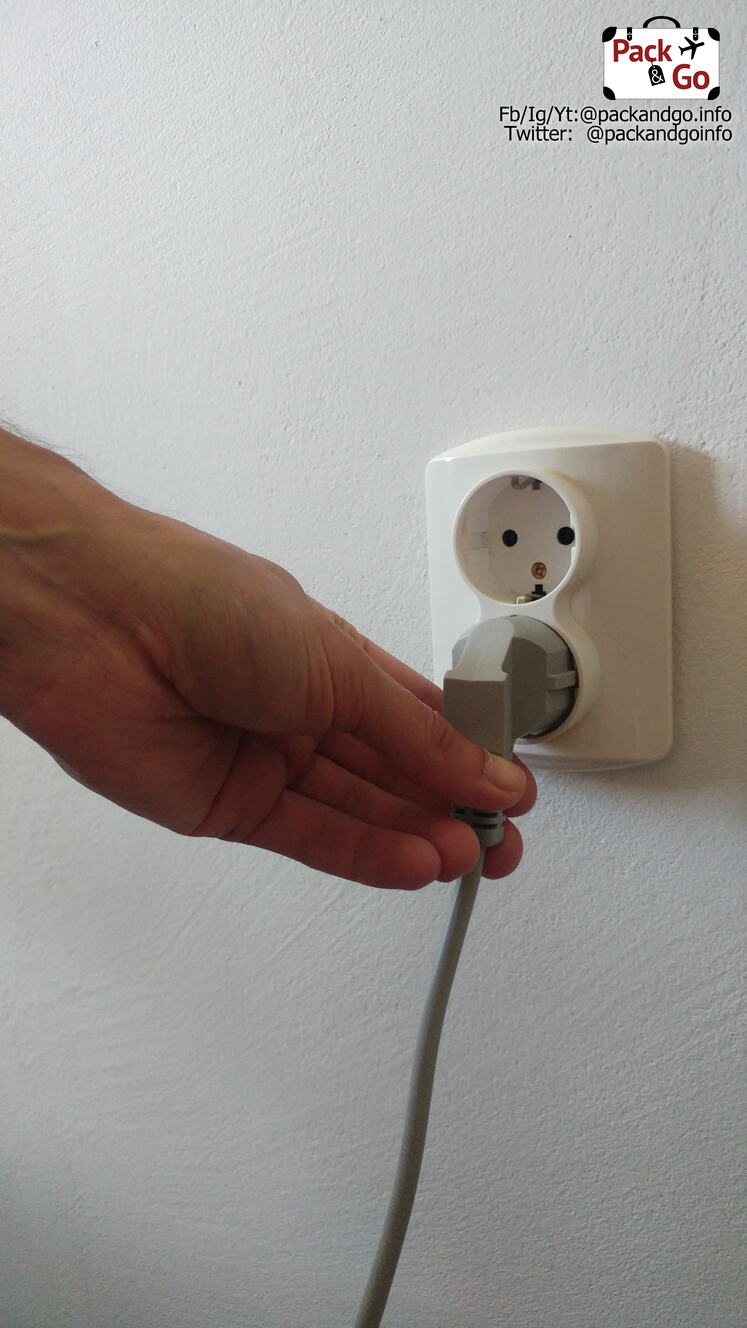
While unplugging them make a quick check not to leave something inside them, like wet clothes in the washing machine, a bit of smoothie in the blender machine, dirty plates in the dishwasher, etc.
6. Program some lights to turn on in the evening.
We just recommended unplugging electronics. But if you consider, based on the security of your area, that there’s the risk of thieves, you could make your apartment or house look lived in. It’s easy, you can simply program either some lights or the tv to turn on in the evening and turn off after a couple of hours. The place won’t look empty.
There are analog outlet timers very easy to use and smart lamps or bulbs that give you the choice of controlling them remotely. Simulating someone's home is possible.
7. Inform your insurance.
Insurances have different policies. Read in detail all of them not to get mistakes. For instance, they usually require you to inform them when you leave your house for them to be aware of this situation and to register it (dates of departure and arrival) in your file. Do it! Avoid all possible problems before leaving home.
8. Clean and organize a bit your home.
Yes, with all the work you already have organizing the trip, this task can sound pointless. You won’t be at home for the complete next month or months! But believe us, to leave dirty stuff (clothes, floors, rooms, dishes, etc.) and piles of mess will make you feel horrible when you get back. Besides, dirt can attract insects and bacteria. You don’t have to go deep but be sure you leave a decent place where to get back. And guys, be sure you take all the garbage out. Even a last check at the moment you are leaving home is worth it! Toilet garbage or organic one left behind a month or more can become a smelly nightmare.
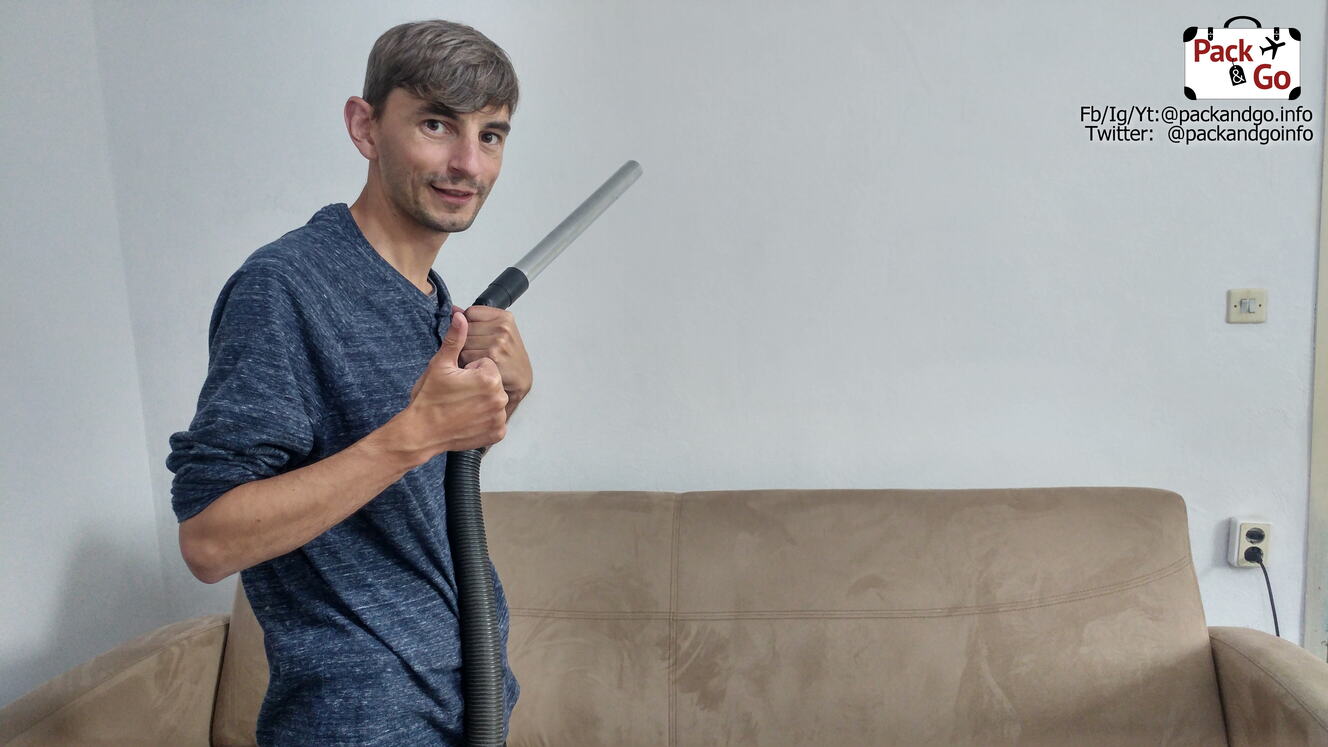
We usually clean and organize once we finish packing for the trip. When we are sure we won’t be taking more stuff from drawers, closets, or from the garage, etc. A day or two days before leaving.
To motivate you to clean and organize your home before leaving it, think that later you will have to unpack. And this can be even more annoying if everything around is dirty and messy.
You know when you also need to clean your home? When you are going to host guests. Read how to prepare for visitors here.
9. Ask someone to check your home.
To have trustable friends or neighbors is gold. If you can rely on someone to check your house during your absence, you will be more relaxed. Being in touch with him or her you will know the status of your place.
Talking about friends, you can also be interested in this article "Unexpected friendship lessons, only traveling can teach you".
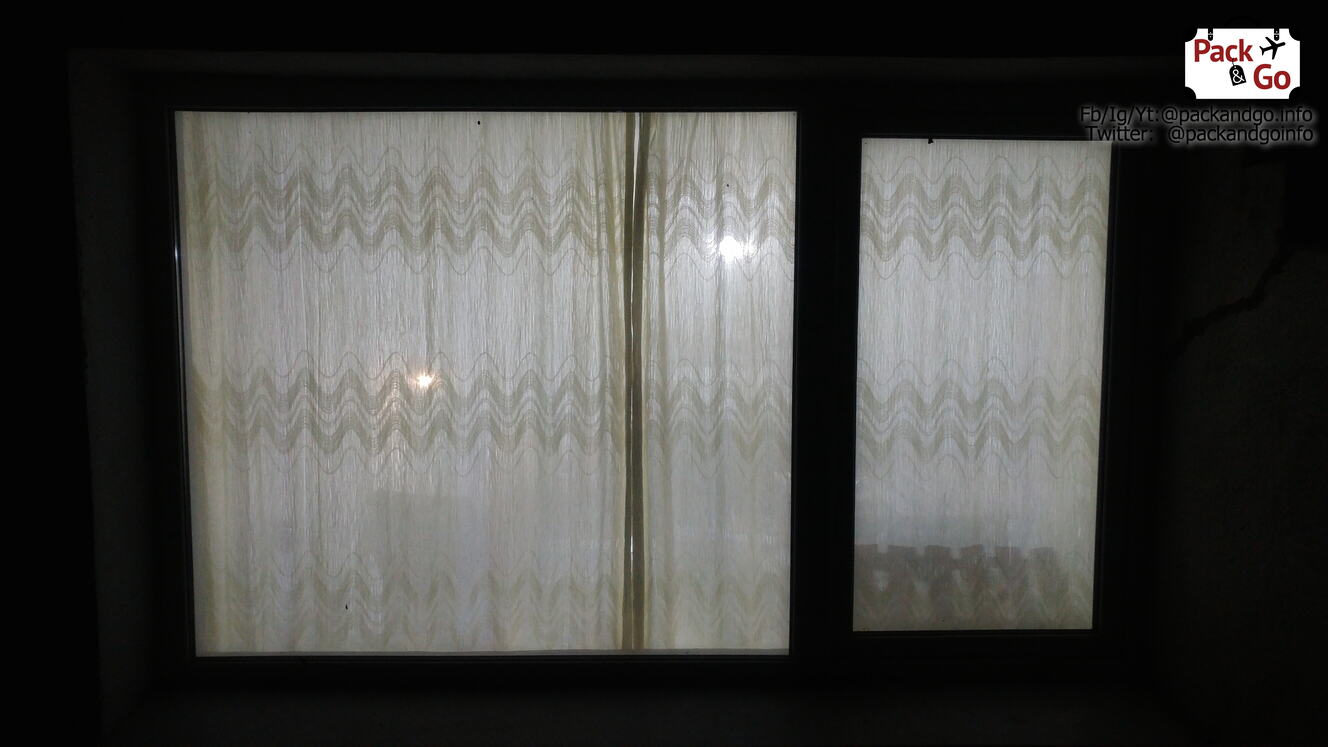
10. Close windows, curtains, and doors and lock them well.
When the time arrives and you are ready to leave home for a long holiday, close very well every window, and door. Lock properly. Don’t do it in a hurry. Take proper time to close, lock and check that you made it well.
11. Turn on the alarm.
In case you have a house alarm, don’t forget to turn it on properly.
Conclusion.
Guys, this is not only boring theory. Exactly now, we are putting into practice these tips. Leaving home safe to go on a long holiday is possible. Safe travels and have fun!
You can like this article too: War tips for tourists who get trapped in a conflict.
Share your tips with us.
| Follow PackAndGo.info at: | |
| YouTube | @packandgo. |
| @packandgo.info | |
| X | @packandgoinfo |
| Bluesky | @packandgo.bsky.social |
| @packandgo.info | |
| TikTok | @packandgo.info |
- Details
- Written by: Gianna Esquivel
- Hits: 3539
War is a very scary and shitty word that doesn’t match at all with having great holidays. Unfortunately, political, economic, religious, and more conflicts don’t stop between countries and within them. Injustice, hate, revenge, invasions, and unsolved historical problems suddenly can wake up and erupt even between nations that have shared borders for years in apparent peace.
We are the type of travelers that never have enough of this beautiful planet. It’s not our plan to go and die in a war zone. But if shit happens and we get trapped in such a conflict, we would like to be at least, basically prepared. Wars show they can take crazy and unpredictable paths sometimes. To calculate, as a tourist, every possible scenario doesn’t seem viable, but there should be something we can do to try to survive.
That's why we have prepared for you these war tips for tourists who get trapped in a conflict.
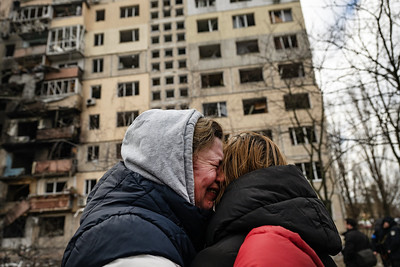
Contact your embassy or closest consulate.
Diplomatic representations are communication breaches to connect authorities with citizens in foreign countries. Recent wars showed that diplomats are some of the first that evacuate risky zones. They usually contact and get contacted by citizens who need help to leave the country in conflict. They are your safest bet, be sure you let them know you need help.
In some countries, there is a chance to inform your authorities that you are leaving the country and your destination. That way they can be aware of your location. In any case, give them a sign. It’s your life that is at risk.
Here, just a note. There’s an important difference between traveling on purpose to a war zone and being surprised by a war. If you think, “who the hell will travel to a war zone for holidays?”. Believe it or not, there is a type of tourism interested in such places. People visit the borders of countries in tension or war zones to have an extreme experience. In this case, diplomatic missions may not consider your case as their responsibility. Only if you are a victim of the circumstance you may expect some help. The situation has to be “big” for an embassy to do something for you.
| Follow PackAndGo.info at: | |
| YouTube | @packandgo. |
| @packandgo.info | |
| X | @packandgoinfo |
| Bluesky | @packandgo.bsky.social |
| @packandgo.info | |
| TikTok | @packandgo.info |
Avoid airports. They can become a dangerous way to escape.
One of the first ideas you can have is to run to the closest airport to grab a ticket and leave. But be careful, not only you will have this idea. During an earthquake, panicked people run directly to the elevators. It seems like the fastest way to escape but it’s the most dangerous. The same happens with airports. First of all, they can get saturated fast. And besides that, airports are strategic targets during wars. Don’t go there without being sure that they keep operating safely. This will be defined by how dangerous the situation is.
Check available and safer alternatives to leave the danger, in case there are.
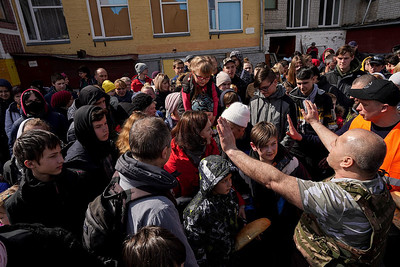
Look for reliable sources of information.
Having information is key for you to decide your moves or to look for groceries or medical assistance. Language can be an issue but looking for reliable and understandable information is a must. Contact your embassy or consulate to close this language gap. Even without the risk of a war, nobody should get into a foreign country without those contacts. NGOs can be another source.
Remember that disinformation is a common strategy used in wars to panic or destabilize the enemy.
Understand the nature of the conflict.
Who is fighting and why? Conflicts can have different reasons like religion, ethnicity, economics, etc. Be sure you understand this to behave properly and not provoke any violent reaction. Without expecting it you could be a target just because of the country you come from, your religion, your outfit, or your physical appearance.
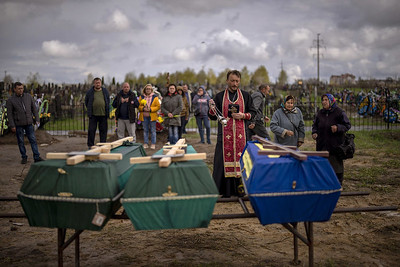
Get to know the conflict’s scope.
Is it international, national, or regional? Don’t overestimate the danger! There have been many guerrillas in different countries that have lasted a long time. However, sometimes the conflicts have been effectively limited to certain regions so travel to those specific regions is not allowed but a tourist can be safe in the rest of the country.
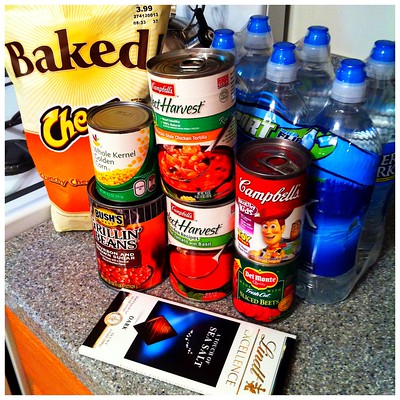
Withdraw cash and buy food and water.
Wars don’t keep static. They change through time. Attacks can intensify or reduce. You have to follow their development and it is vital to get the basics to survive. Withdraw as much cash as you can. Buy smartly! Don’t buy perishable food. Electricity can fail soon due to the attacks. So you won’t have a fridge to store. Get as many cans, chocolates, nuts, and bottled water as you can. Rationing is common during these events but still get as much as you can. And once you have decent storage, consume smartly too. The situation can last weeks, months, or even years. So try to make provisions to last as long as possible. As a tourist for sure, you want to escape and get back home safe, sound, and as soon as possible. But don’t forget that the worse or stronger the war goes the hardest it is to be rescued.
If you are in a medical treatment also try to get more medicine than usually you buy. Get a lamp that can be recharged by solar or at least, a flashlight.
Keep some cash with you. It can buy you a safe pass to another country, water, food, or protection. Yes, let’s talk straight. War is shitty and corruption doesn’t have limits or breaks.
Look for a shelter.
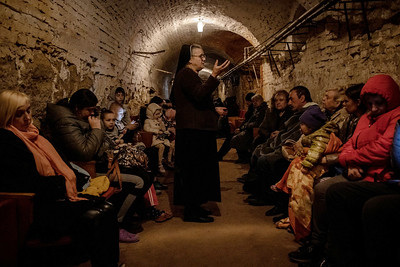
Not every human has knowledge or training for surviving a missile attack or evading personal mines or grenade explosions. Many regular tourists do not even have a clue about the existence of shelters, different types of them, and how to reach them. With or without the guidance of the government or the army, citizens will look for shelters or the safest spots (basements, underground metro stations, rural areas, etc.). The objective is to be as far as possible from the main fight scenario and strategic targets. Join locals and be as careful as possible.
Know that based on the threat (missiles, biological or chemical weapons, etc.), the shelter you need.
Try to keep in touch with your family and friends. Update them about your location and general status. They can get valuable information for you about chances for you to escape, to be accepted as a refugee in a neighboring country, etc.
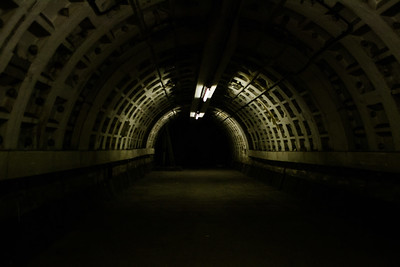
Prepare to be offline.
It’s a common war measure of governments to cut off the Internet service to keep control of the situation. Besides, being strategic, the enemy can also attack these systems (servers) and bring them down.
Download as soon as possible offline maps of the city not to be lost and to be able to plan or follow a route to escape. To locate routes of humanitarian corridors to evacuate in case they exist. Get also an offline translator. Physical maps and dictionaries are very useful in this situation.
Respect the law and the instructions.
If the environment becomes hostile or war takes place and you can’t be rescued by your diplomats immediately, follow carefully safety instructions. It’s not a game and many civilians get killed on purpose or as a side effect of attacks. Don’t get close to windows, respect the curfews, keep your passport handy or another ID, avoid being alone, and don’t be a hero. Tourists are soft targets, meaning most of us don’t have weapon training or skills to defend ourselves as professional soldiers do.
During some conflicts, tourists are prime targets. They can be taken as spies. They can get tortured or terrified to make an example for the rest of the population. Or sometimes, they get kidnapped to ask for a ransom. There is a policy some countries have about not negotiating or paying ransoms. Obviously, bigger things are at stake during a war. Your life may not be a national or international concern. Better don’t risk.
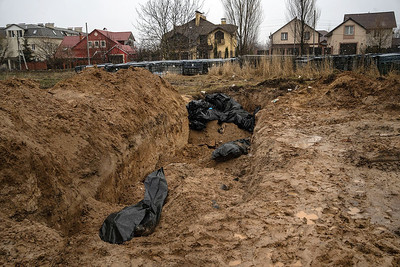
Try not to panic.
Of course, war is terrifying but panic blocks your mind. You need to think clearly and take fast decisions to survive. Be patient! Aid will arrive and still, there are chances for you to get back home alive.
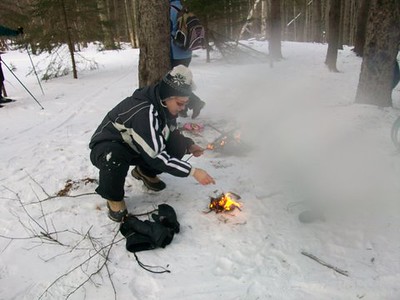
Survival skills.
In war times, any survival skill and previous knowledge you have will be useful. Here we have talked about tips for tourists in case a war suddenly catch them. Spontaneously we barely will learn a new skill. But talking in general, to know foreign languages, first aids, how to fix cars, electricity, computers, treat wounds, filter water, build a shelter, make fire, cook, climb, use knives and other weapons, fish, haunt, physically fight, drive a train, helicopter, etc. can be helpful and can save your life. Learning different stuff, even random things is always good. Do it and hopefully, you never experience a war scenario.
Conclusion.
The best war tip we have for you is prevention! Don't travel to war zones.
We have already given you some tips in case you get trapped by war while visiting a foreign country. But the best is not to be in such a situation. So, before traveling always check for possible warnings or restrictions.
Choosing a destination for holidays means researching a bit about the situation there. Embassies and consulates, as well as different offices or websites related to the Ministry of Foreign Affairs in your country, can have official information for you to plan your trip. Sometimes, when environments are hostile, even the airlines could warn passengers about restrictions to go to those dangerous destinations. Avoid them and be safe!
You can also be interested in this article:
What to do before leaving home for a long holiday?
Follow us on:
| Follow PackAndGo.info at: | |
| YouTube | @packandgo. |
| @packandgo.info | |
| X | @packandgoinfo |
| Bluesky | @packandgo.bsky.social |
| @packandgo.info | |
| TikTok | @packandgo.info |
- Details
- Written by: Martin Pramatarov
- Hits: 5800
Hi guys, when I was living in Mexico City, I experienced two very strong earthquakes. I was totally unprepared, and I was really scared. The earthquakes I have felt in the past have been as a maximum of 6 on the Richter scale, so not really strong. But those two were, 8.1 and 7.1!
The first one hit us during the late night, around 11:40 pm. As usual, me and my girlfriend, we were watching TV, so it was easy to go out on the street and wait until it passes away.
The second was a different case. It hit us during the day, around 1 pm. I didn’t prepare after the first one. I didn’t check a thing, and again I got scared as hell. Trapped in the office environment and with the communication cut down due to overload. What should you do when an earthquake starts?
Finally, after this nightmare, I did my research, and I want to share with you the earthquake protocol “What to do during the earthquake”?
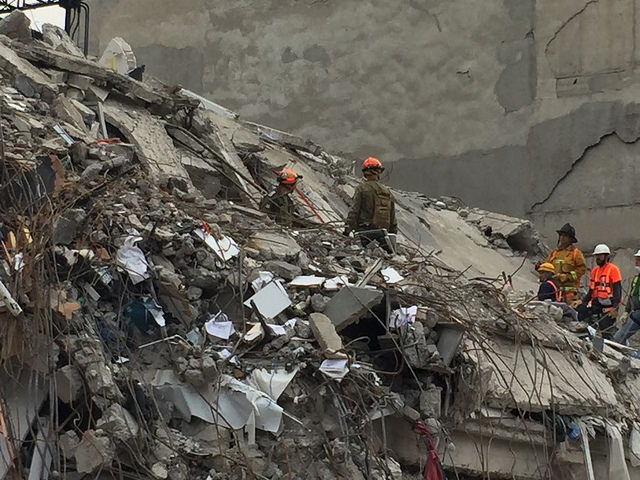
If you hear the earthquake alarm, don’t ignore it, follow these pieces of advice depending on your location.
What is an earthquake?
An earthquake is the shaking and vibration of the Earth’s surface. It is a natural disaster, that is related with releasing of a lot of energy that creates waves. The waves can cause a lot of damage.
What to do during an earthquake If you are inside a building?
Try to run out only if you can escape in 5 seconds or less.
If you are on a higher floor, just forget about this option and wait until the earthquake stops. Many of the injuries happen when people try to go out in a panic. Try to stay calm, as much as you can. It is scary, but you should not panic.
Get down, crawl and cover!
1. Get DOWN
Get down on the floor. Lower your body and you will be more stable. A standing person will suffer a lot more from the vibrations that the earthquake will produce.
2. Start CRAWLING
The best way to move during an earthquake is crawling. Moving close to the ground and use both your hands and legs. It is a lot easier to crawl during this natural disaster.
3. Search for COVER and HOLD ON
Search for something to cover yourself from falling objects. It should be something hard enough to protect you. A sturdy table or desktop is perfect. If there is nothing around, cover your face and get to any of the inside corners of the building.
Don’t stay close to windows, glasses, outside walls and doors, and anything that can fall on you.
Don’t go downstairs and don’t use the elevator! The stairs can easily break, you can get hurt, and the power can go down for a while. You won’t like, to be stuck in a small, dark box without knowing when the help will come. So, don’t use elevators during an earthquake.
4. Leave the building and take the most necessary stuff with you
Follow the instructions that are located on the wall of every building. Use the emergency exit route. There should be a picture on the wall, with clear signs on which doors should be used in case of disaster.
Take the most important items with you. If you have prepared an earthquake bag, with everything you could need, take it, if not go out with your most important items like documents, water, and some money.
Keep evading the elevators. There could be an aftershock, so better go down using the stairs, if they don’t have structural damages, or wait until professional firefighters come to help you.
5. Stay outside until the danger is gone
Stay outside for at least an hour. Be sure that no aftershocks are coming before you move to another place. During this time the communication might be problematic, so try to remain calm and send a message to your family or close friends when you can.
Inform yourself from the news, about the consequences of the earthquake and the current situation in the area where you are. You can get very important information.
What to do during an earthquake If you are outside?
1. Keep staying outside during an earthquake, obviously!
Don’t try to be a hero and rush to a nearby building, in an attempt to help people. You will help them by not blocking their exit route. The time to help will come after the ground stop moving and everything seems calm again.
2. Stay away from buildings, high structures, and electric poles
There is a big risk that they were damaged during the quake. You don’t want something to fall on you. The same goes if you are on foot, in a car, or in another vehicle.
Try to find an open field, like a park, where there can safely wait.
Do you like these earthquake tips? For more great content, follow us on:
| Follow PackAndGo.info at: | |
| YouTube | @packandgo. |
| @packandgo.info | |
| X | @packandgoinfo |
| Bluesky | @packandgo.bsky.social |
| @packandgo.info | |
| TikTok | @packandgo.info |
What to do after an earthquake?
1. Check yourself about injuries
Help yourself, or find somebody that can give you first aid. Bleeding could be a very big problem, so you need to stop the blood as fast as possible.
2. Stay away from the damaged buildings
If you were in one, now is the time to leave it. Stay outside, because there could always be secondary earthquakes. They can be lighter, but they can finish an already broken building.
3. Notify all your family and friend about your status
The first minutes are full of fear and chaos. Everybody will try to call his/her dear ones. The mobile network will probably go down, and it can take hours to get them back on. Use the data on your phone or any Wi-Fi Internet around. My latest experience showed me that Wi-Fi was the most reliable option.
Write in your social networks that you are ok and check on your people. Facebook offers a good option; you can mark yourself as “Safe” and check on certain people.
As I told you, a good connection could be hard to find, so write a short public message “I am safe.” If you use Mobile Data for the Internet, it will eventually post it when it gets a signal again.
*Optional
Help the rest of the people. Maybe you manage to get out of the natural disaster without being harmed, but others were not so lucky. Try to help them the way you can. If you know CPR and how to give first aid, you can really save lives during an earthquake.
If not, but you are strong, you can help with moving debris and cleaning the route for other people to escape from the building.
You can also help those that were left homeless. Bring them tents, and blankets and help them with information about the help they can get from the government.
You can even host some people at your place until they get a place to live.
You decide where and how you are willing to help. Me and my girlfriend, we went to help families in the next neighborhood, Roma (in Mexico City), and we brought food, boxes, and clothes.
We didn’t try to enter the broken building or move heavy stones, because we didn’t feel like we can help a lot in this, and it was risky.
What to do before an earthquake?
Prepare an earthquake emergency backpack. Keep there some ID that you usually don’t use, for example, your international passport. Put some cans of dried food and a bottle of water. A good addition could be a blanket. Don’t overfill it. The idea is that it is light enough that you can grab this emergency earthquake backpack and go in a hurry when you hear the early warning earthquake siren.
Pay attention to the earthquake drills. Take the earthquake drills seriously. If you are living in an earthquake zone, you will have an obligatory earthquake drill that will prepare you for such an event. Check where the emergency exits are, and how to move in case of a disaster.
Keep your home clutter-free. The quake can start when you are at home. Keep your home tidy. Fewer objects around mean fewer potential hits and obstacles to avoid during your exit. Also, you will need a clear escape room, so don’t be messy.
*Optional
Use an earthquake app. Many mobile applications can warn you about the upcoming earthquake. But, you need always to be connected to the internet, to use them. And also they might use your private data for their purposes. Better just pay attention to the earthquake warning siren in your area. If you hear it, start acting.
What country has the most earthquakes?
The single country, that has suffered the most earthquakes is China (according to Statista). The countries that suffer earthquakes often are:
-
China
-
Indonesia
-
Iran
-
Turkey
-
Japan
-
Peru
-
USA
-
Italy
-
Afghanistan
-
India
-
Greece
-
Mexico
| Follow PackAndGo.info at: | |
| YouTube | @packandgo. |
| @packandgo.info | |
| X | @packandgoinfo |
| Bluesky | @packandgo.bsky.social |
| @packandgo.info | |
| TikTok | @packandgo.info |
How is an earthquake caused?
The main cause of earthquakes is the sudden release of stress (energy) along faults in the earth’s crust. The earth has many tectonic plates and they are in movement. Their constant actions and interaction with each other cause build-ups of pressure. The pressure gets so high, that in one moment the energy needs to be released. That tectonic pressure, created from the move of the tectonic plates causes earthquakes.
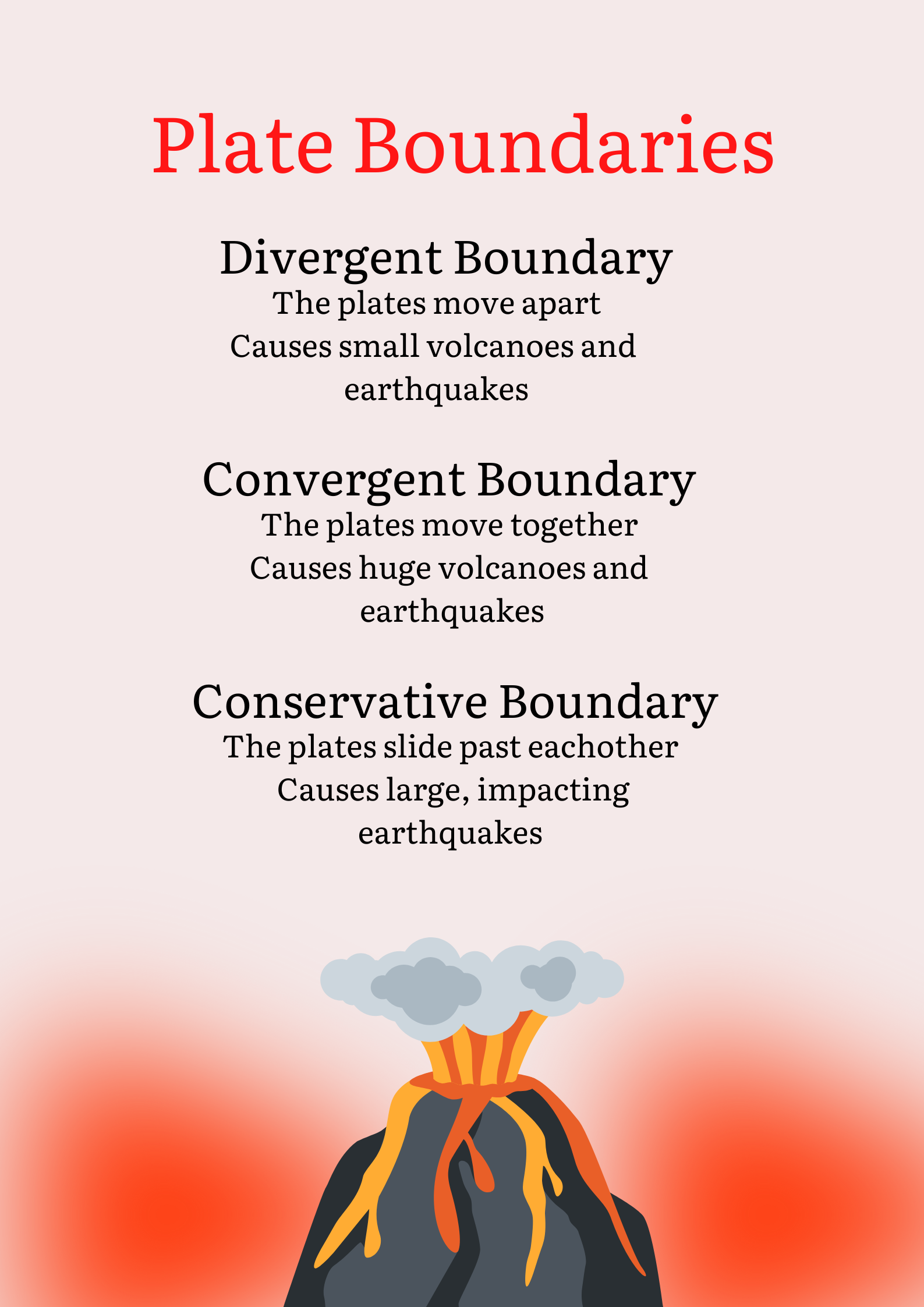
There are 3 main types of tectonic movements:
-
Trust fault (convergent). The Tectonic plates come together.
-
Normal Fault (divergent). The tectonic plates move apart.
-
Strike-Slip Fault (transform). The tectonic plates move past each other.
Can an earthquake cause a tsunami?
Yes, an earthquake can cause a tsunami (tidal wave). A large, strong, and shallow earthquake, with an epicenter on the ocean floor, can start a tsunami wave. There are regions where tectonic plates meet, and the movements they do doing the years cause such a disaster. A tsunami wave can travel as much as 1000 kilometers (the Great 1960 Chilean tsunami)! That temblor was 9.5 magnitude (Richter), and usually, it must be at least 7.5 magnitudes to cause serious damage.
Can an earthquake cause a volcanic eruption?
Yes, an earthquake can cause a volcanic eruption. A strong temblor, with a magnitude higher than 6 (Richter) can cause a volcano to erupt if the epicenter is close enough. This happens, if the volcano was already close to erupting anyway. If it had enough magma and sufficient pressure.
Can a volcanic eruption cause an earthquake?
Yes, a volcanic eruption can cause an earthquake. The pressure that volcanoes generate, together with the vibrations from the moving magma can affect the surrounding rocks and trigger a small earthquake. Such earthquakes are called volcanic earthquakes or volcanic tremors.
Can an earthquake be predicted?
No, people cannot predict earthquakes, no matter what technology they use. No device or equipment can predict a tremor. The only type of devices that scientists use currently is to measure it and warn. The earthquake waves move slower than the communication, so you can get an early warning. But it is based just on the distance, from the epicenter to the place where you are.
Conclusion
Earthquakes are unpredictable, even having applications for early warning, still, most probably you will get scared. Just try to remember those tips and stay couscous before, during, and after an earthquake. Like this, you will have better chances of survival.
Other articles that can help you with survival tips:
"Volcano, when the Hell breaks loose"
"Tsunami, the wave that you don’t want to see"
"Hurricane, what to do when it approaches?"
"Tornado, where and how to hide?"
"Avalanche, Surviving natural disasters"
Official sources used for this article:
https://www.ses.vic.gov.au/get-ready/quakesafe/what-to-do-in-an-earthquake
https://spaceplace.nasa.gov/earthquakes/en/
https://www.usgs.gov/faqs/can-earthquakes-trigger-volcanic-eruptions
https://www.usgs.gov/faqs/can-you-predict-earthquakes
https://www.statista.com/statistics/269648/number-of-earthquakes-by-country/
| Follow PackAndGo.info at: | |
| YouTube | @packandgo. |
| @packandgo.info | |
| X | @packandgoinfo |
| Bluesky | @packandgo.bsky.social |
| @packandgo.info | |
| TikTok | @packandgo.info |
- Details
- Written by: Angela Angelova
- Hits: 2068
Avalanche, also known like snow slide, is a massive snow accumulation of the high mountain parts, rapidly flowing down on a sloping surface. Its speed can vary from 10 meters per second to 70 meters per second, but in very rare cases it can reach 125 meters. In the mountain areas, the avalanches are one of the most dangerous hazards for the property and the life of alpinists and mountaineers, because of its high ability to carry a huge mass of snow quickly over long distances. There are 5 categories of destruction which can be easily calculated on a logarithmic scale by the mass and destructive potential.
We all love snow and winter sports, but the fact that every season, hundreds of people get caught in avalanches is a “little bit” worrying, so here you will read about few tips how to overcome an avalanche.
| Follow PackAndGo.info at: | |
| YouTube | @packandgo. |
| @packandgo.info | |
| X | @packandgoinfo |
| Bluesky | @packandgo.bsky.social |
| @packandgo.info | |
| TikTok | @packandgo.info |
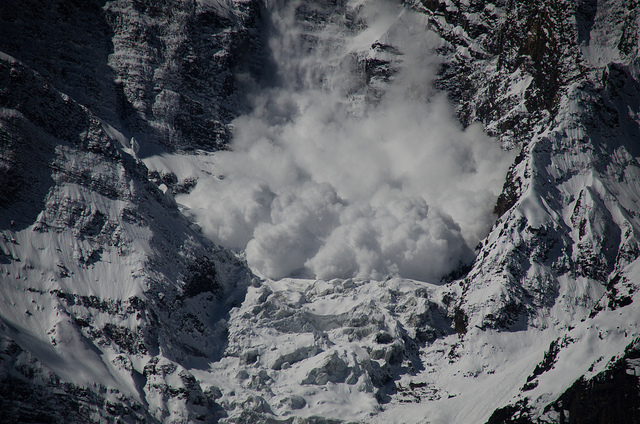
If you are a person who enjoys being in the mountains and practice snow sports, you should always be prepared for an avalanche.
Rescue beacon.
Wear rescue beacon that signals your location, because people can find you easily with it (some people die from freezing after the avalanche because the rescue squats can’t find them in time). There is some rescue equipment too and taking a course about how to learn and practice using them is a significant advantage for the mountain people.
Get off the slab.
If you get caught in a slide, try to getting off of the slab first, but if you can’t do that try grabbing a tree and hold on tight to it, so the flow won’t take you down.
Swim away.
If you get swept away from it, the best thing you can do is to try swimming to the surface. In case that the avalanche is very strong and it has taken parts and objects from the appeared on its way buildings, try to grab and hold on to them, because they won’t drown in (same as with the water).
Carry a small shovel.
Always carry a small shovel and a long probe if you are with a company, because when the flow stops some of your friends can get buried inside. In this risky situation helping someone may save their life because breathing under the snow is hard and some people can be hit hard by a tree or other object.
Educate yourself.
Last but not least is the always working tip for protecting yourself from avalanches - awareness. Educate yourself about them, learn how to recognize the dangerous areas and if it’s possible, try to avoid them because the risk is big and it may cost your life.
Share more survival tips with us, PackandGo.info
| Follow PackAndGo.info at: | |
| YouTube | @packandgo. |
| @packandgo.info | |
| X | @packandgoinfo |
| Bluesky | @packandgo.bsky.social |
| @packandgo.info | |
| TikTok | @packandgo.info |
Other articles that can help you with survival tips:
"Volcano, when the Hell breaks loose"
"Tsunami, the wave that you don’t want to see"
"Hurricane, what to do when it approaches?"
"Tornado, where and how to hide?"
"What to do before, during, and after an earthquake?"